

Vision

Is Your Child Struggling in School? Signs They May Need Glasses

Introduction: Why Your Child's Vision Matters
As a parent or teacher, you want to give children every advantage for succ...
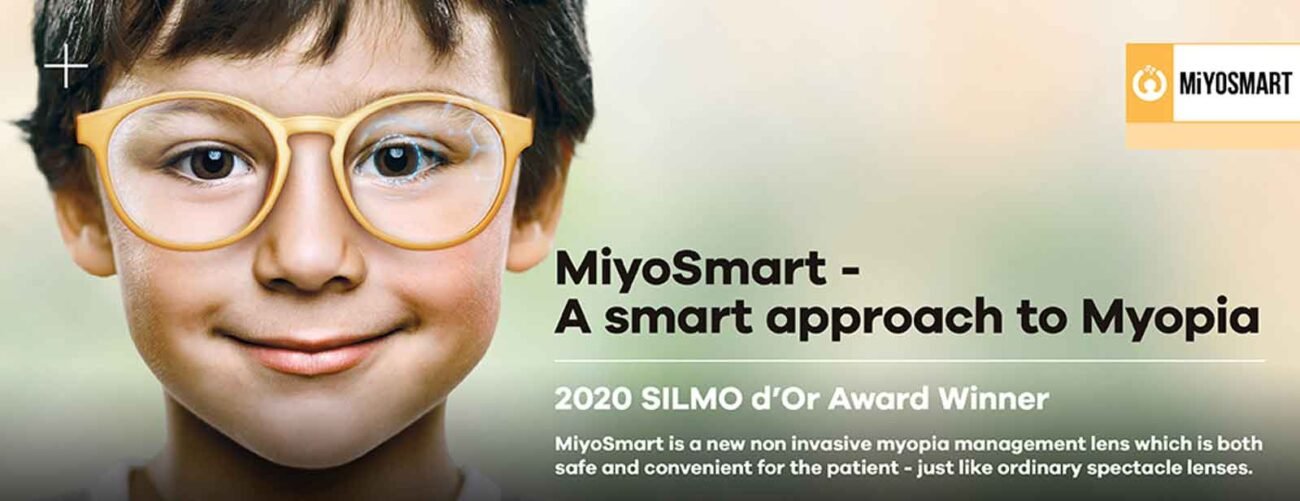
Miyosmart Lenses: Myopia Management for Children
Revolutionizing Myopia Management for Children with Miyosmart Lenses
Thank you for visiting Eye Contact Optician, your d...
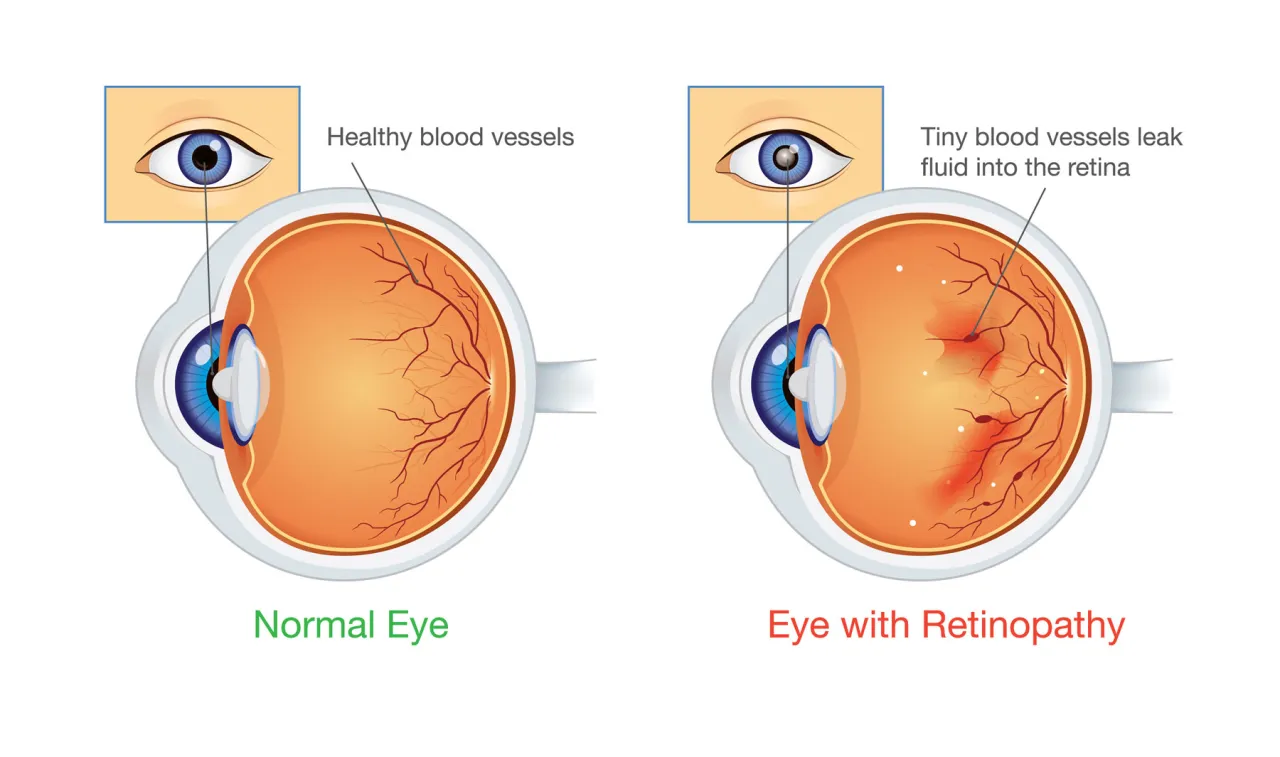
Can Diabetic Retinopathy be Reversed? Treatment Insights
People with diabetes can develop diabetic retinopathy, which can damage the blood vessels in the retina. The retina is p...
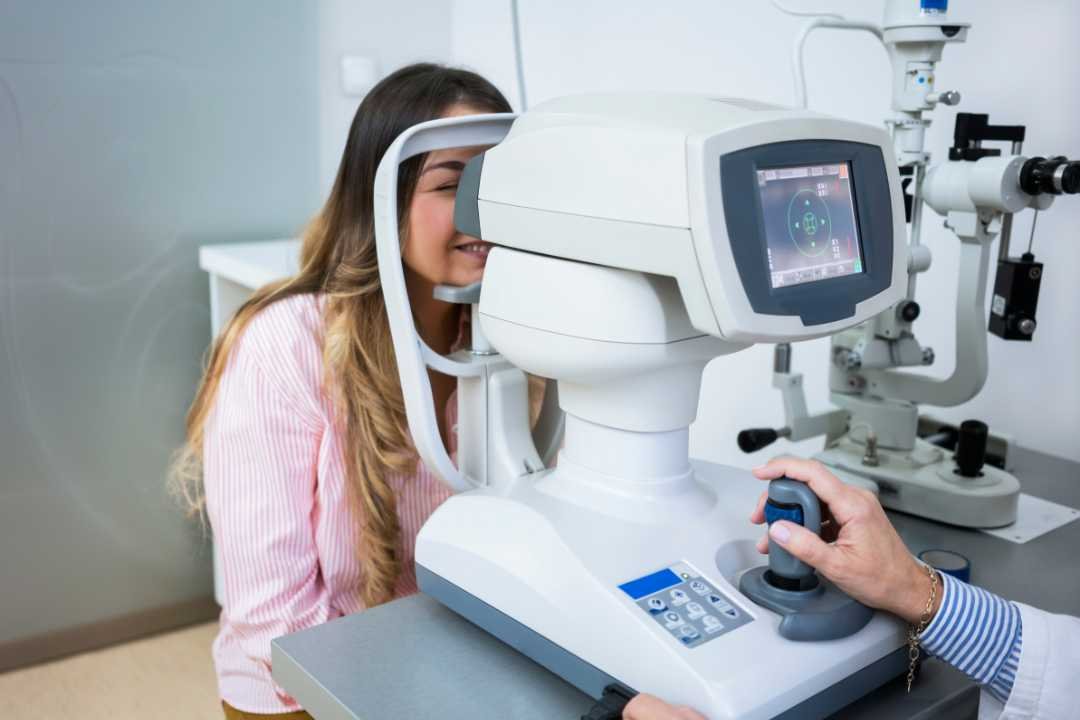
Celebrating Eye Care Professionals on World Optometry Day
World Optometry Day
Celebrating Eye Care Professionals and Raising Awareness
Introduction
Every year on March 23, optome...

Optometrist vs Ophthalmologist: Differences Explained
Table of Contents
1. Introduction
It’s crucial to pick the best eye care provider to look after our eyes. We can kee...

Ray-Ban and Facebook to launch Smart Glasses
Ray-Ban Stories, Facebook's first "smart spectacles" created in collaboration with Ray-Ban, are now available for purchase. They seem to be influenced by Snap's (Snapchat's parent company) Spectacles.

The Ultimate Guide To AMBLYOPIA
Amblyopia (also called lazy eye) is a condition where only one eye has poor vision. It happens when the brain and the eye don’t operate together properly, and the brain can’t recognize sight from one eye.
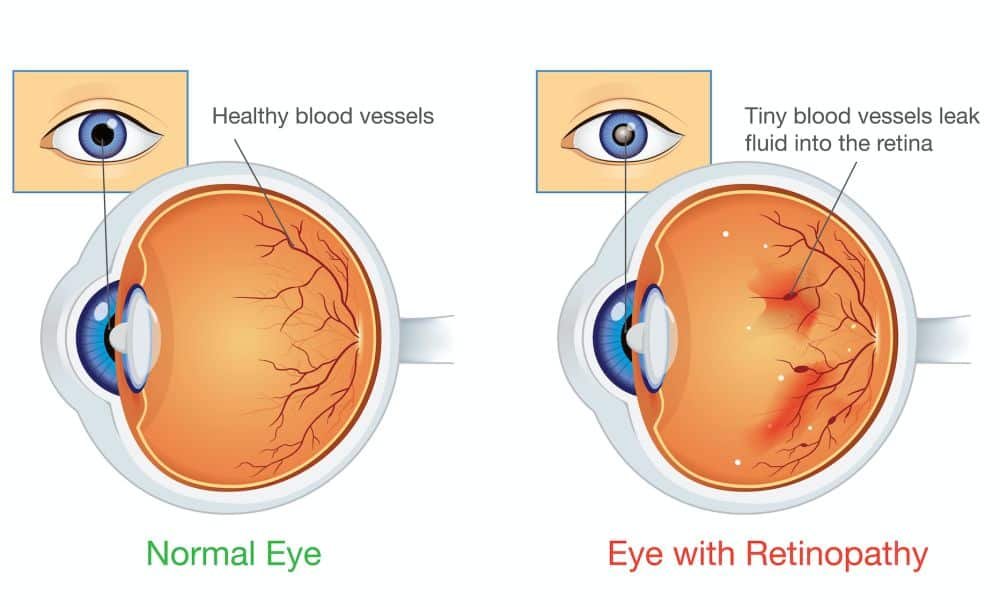
A Step-by-step Guide To Diabetic Retinopathy
Diabetic retinopathy is an eye disease that can result in vision loss and blindness in people with diabetes. It affects the retina's blood vessels (the light-sensitive layer of tissue in the back of your eye).
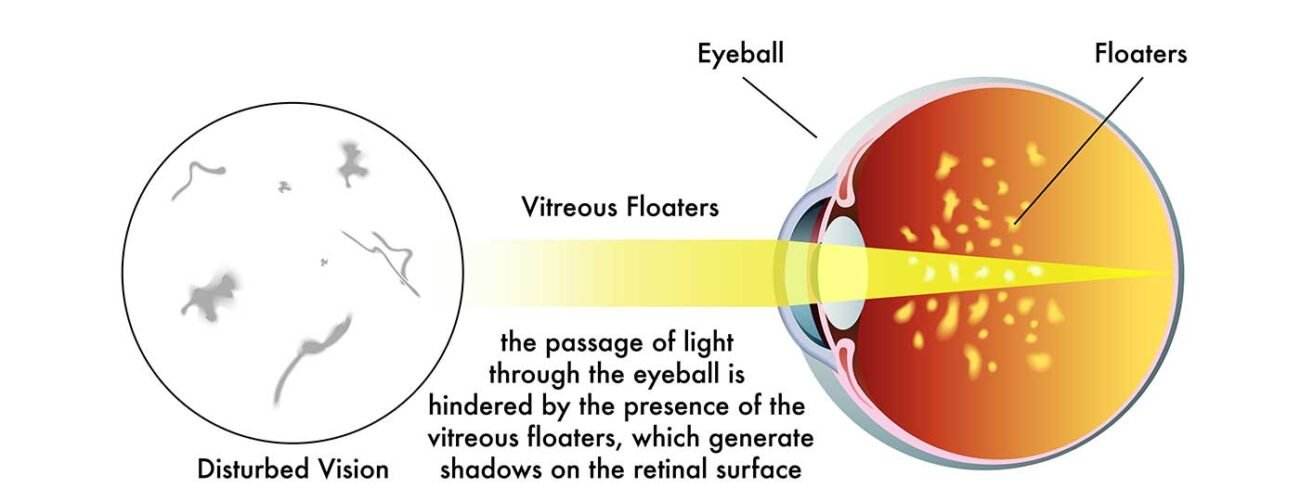
Eye Floaters – Symptoms and Causes
Floaters in your eyesight are spots that appear in your field of view. They may appear to you like black or grey specks, strings, or cobwebs that move around as you move your eyes and dart away when you try to stare them down.

How To Get Rid Of Dark Circles Under The Eyes
Dark circles are a condition that affects people of all ages and can make you look older than you are. They’re difficult to treat, and you might never be able to get rid of them completely.