
Blog
Is Your Child Struggling in School? Signs They May Need Glasses

Introduction: Why Your Child’s Vision Matters
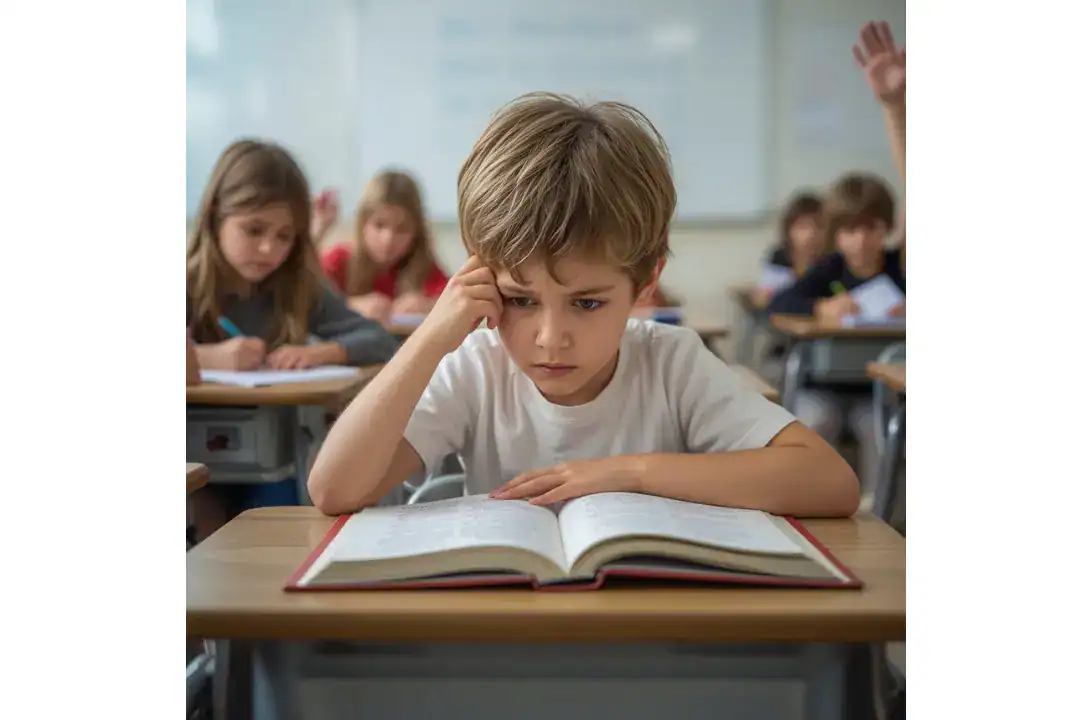
As a parent or teacher, you want to give children every advantage for success in school. But there’s one potential obstacle that often goes unnoticed – vision problems. Did you know that 1 in 4 school-aged children has an undiagnosed vision issue that affects their learning?
Many vision problems in children go undetected because kids don’t realize they’re seeing differently than others. They may think everyone sees blurry words or gets headaches from reading. That’s why it’s so important for adults to recognize the signs.
In this article, we’ll cover:
- The most common signs your child might need glasses
- How vision problems affect learning and behavior
- Why eye exams are more thorough than school vision screenings
- What you can do if you suspect vision problems
Key Signs Your Child May Need Glasses
1. Squinting or Sitting Too Close to Screens
If your child constantly squints at the whiteboard, holds books very close, or sits right in front of the TV, this is a red flag. Squinting temporarily improves focus by changing how light enters the eye.
What to look for:
- Narrowing eyes when looking at distant objects
- Moving closer to see screens or books clearly
- Complaining that things look blurry
2. Frequent Headaches or Eye Strain
Children with uncorrected vision often develop headaches, especially:
- After reading or homework
- Following screen time
- Late in the school day
These headaches typically occur around the forehead or temples and may be mistaken for migraines.
3. Difficulty Reading or Avoiding Close Work
Vision problems can make reading exhausting. You might notice:
- Losing place while reading
- Skipping words or lines
- Short attention span for books
- Rubbing eyes during homework
- Avoiding reading altogether
4. Trouble Seeing the Board at School
Teachers often spot this first. Warning signs include:
- Copying from a neighbor’s paper
- Frequently asking what’s written on the board
- Making errors when copying information
- Poor performance in subjects requiring board work
5. Unusual Head Tilting or Eye Covering
If your child consistently:
- Tilts their head to one side
- Covers one eye when reading
- Closes one eye to see better
This could indicate eye alignment issues or amblyopia (“lazy eye”) that needs treatment.
Why Eye Exams Are Essential for School Success
Many parents assume school vision screenings are enough, but these basic tests often miss important vision problems. A comprehensive eye exam checks for:
1. Visual Acuity (Sharpness)
- Nearsightedness (can’t see far)
- Farsightedness (can’t see near)
- Astigmatism (blurry vision at all distances)
2. Eye Teaming and Focusing
- How well eyes work together
- Ability to maintain focus
- Eye movement skills needed for reading
3. Eye Health
- Signs of disease or abnormalities
- Color vision testing
- Peripheral vision assessment
The American Optometric Association recommends children have their first eye exam at 6 months old, then at 3 years, before first grade, and every 2 years after (or annually if needed).
How Vision Problems Affect Learning
Undiagnosed vision issues can:
- Slow reading speed and comprehension
- Cause fatigue and short attention spans
- Lead to frustration with schoolwork
- Be mistaken for learning disabilities
- Affect sports performance and coordination
Teachers often report that after getting glasses, students show:
✅ Improved reading skills
✅ Better concentration
✅ Increased participation
✅ Higher self-confidence
What to Do If You Notice These Signs
- Schedule an Eye Exam
Contact Eye Contact Optician to book a comprehensive children’s eye exam. We specialize in pediatric eye care and make visits comfortable for kids. - Share with Teachers
If you notice symptoms at home, ask teachers if they’ve observed similar behaviors in class.
Conclusion: Clear Vision for School Success
Vision problems can disguise themselves as learning difficulties or behavior issues. By recognizing the signs early and getting proper eye care, you can help your child:
- Feel more confident in school
- Avoid unnecessary struggles
- Reach their full academic potential
Don’t wait until report cards show problems – schedule a back-to-school eye exam today! Our friendly optometrists specialize in children’s vision and make exams a stress-free experience.
📞 Call +919594610038
🌐 Book online at https://econew.eyecontactoptician.com/
Frequently Asked Questions (FAQs)
-
How often should children get eye exams?
- Infants: First exam at 6 months
- Preschoolers: At age 3
- School-age: Before first grade, then every 2 years
- Children needing vision correction: Annual exams
-
What’s the difference between a school vision screening and a comprehensive eye exam?
Screening Comprehensive Exam Tests basic distance vision Checks all visual skills Takes 5-10 minutes Takes 30-60 minutes May miss 60% of problems Detects all vision issues Doesn’t check eye health Includes full eye health evaluation -
What are the most common vision problems in school-age children?
-
- Nearsightedness (myopia) – difficulty seeing far away
- Farsightedness (hyperopia) – difficulty seeing up close
- Astigmatism – blurred vision at all distances
- Eye teaming problems – eyes don’t work together properly
-
-
How can I tell if my child needs glasses if they don’t complain?
Look for these subtle signs:
- Sitting very close to screens
- Frequent eye rubbing
- Head tilting
- Covering one eye
- Losing place while reading
- Short attention span for visual tasks
-
What should I do if my child resists wearing glasses?
- Let them choose fun frames they like
- Start with short wearing periods
- Use positive reinforcement
- Ensure proper fit and comfort
- Point out how much better they can see
- Most children adjust within 2-4 weeks
-
Are there alternatives to glasses for children?
Options include:
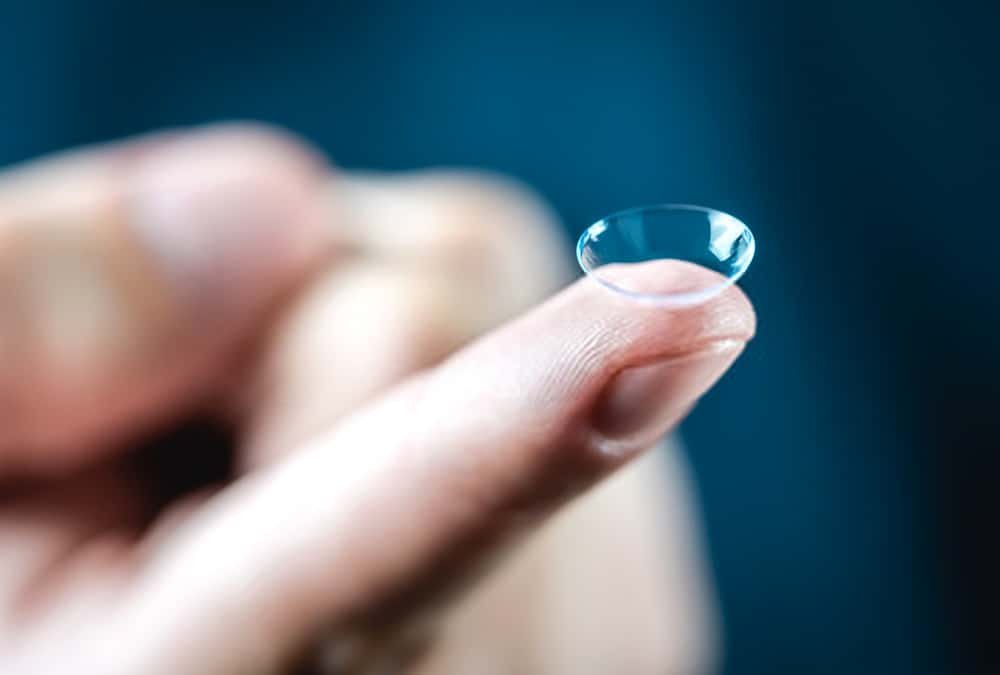
- Contact lenses (usually for older children)
- Orthokeratology (overnight lenses)
- Vision therapy for specific conditions
However, glasses remain the simplest and safest option for most children.
-
How quickly can vision problems affect school performance?
Vision issues can impact learning immediately:
- Within days: Frustration with reading
- Within weeks: Falling behind peers
- Within months: Developing negative attitudes toward school
The good news? Improvements often appear just as quickly after getting proper vision correction.
-
Does screen time make children’s vision worse?
Excessive screen time can contribute to:
- Digital eye strain
- Increased myopia progression
- Reduced blinking leading to dry eyes
Follow the 20-20-20 rule: every 20 minutes, look 20 feet away for 20 seconds.
-
When should I be concerned about my child’s vision?
Schedule an exam if you notice:
- Any of the symptoms in our checklist
- Declining school performance
- New avoidance of reading/schoolwork
- Complaints of headaches or eye strain
- Squinting or sitting too close to screens
- Infants: First exam at 6 months
- Preschoolers: At age 3
- School-age: Before first grade, then every 2 years
- Children needing vision correction: Annual exams
| Screening | Comprehensive Exam |
|---|---|
| Tests basic distance vision | Checks all visual skills |
| Takes 5-10 minutes | Takes 30-60 minutes |
| May miss 60% of problems | Detects all vision issues |
| Doesn’t check eye health | Includes full eye health evaluation |
-
- Nearsightedness (myopia) – difficulty seeing far away
- Farsightedness (hyperopia) – difficulty seeing up close
- Astigmatism – blurred vision at all distances
- Eye teaming problems – eyes don’t work together properly
Look for these subtle signs:
- Sitting very close to screens
- Frequent eye rubbing
- Head tilting
- Covering one eye
- Losing place while reading
- Short attention span for visual tasks
- Let them choose fun frames they like
- Start with short wearing periods
- Use positive reinforcement
- Ensure proper fit and comfort
- Point out how much better they can see
- Most children adjust within 2-4 weeks
Options include:
- Contact lenses (usually for older children)
- Orthokeratology (overnight lenses)
- Vision therapy for specific conditions
However, glasses remain the simplest and safest option for most children.
Vision issues can impact learning immediately:
- Within days: Frustration with reading
- Within weeks: Falling behind peers
- Within months: Developing negative attitudes toward school
The good news? Improvements often appear just as quickly after getting proper vision correction.
Excessive screen time can contribute to:
- Digital eye strain
- Increased myopia progression
- Reduced blinking leading to dry eyes
Follow the 20-20-20 rule: every 20 minutes, look 20 feet away for 20 seconds.
Schedule an exam if you notice:
- Any of the symptoms in our checklist
- Declining school performance
- New avoidance of reading/schoolwork
- Complaints of headaches or eye strain
- Squinting or sitting too close to screens