
Blog
Celebrating Eye Care Professionals on World Optometry Day

World Optometry Day
Celebrating Eye Care Professionals and Raising Awareness
Introduction
Every year on March 23, optometrists worldwide honour and acknowledge their vital role in promoting eye health and vision care by celebrating World Optometry Day. This day offers a chance to spread knowledge about the value of routine eye exams and the avoidance of vision issues.
History and Significance
The World Council of Optometry (WCO) established World Optometry Day in 1992 to commemorate the founding of the first optometry institution in the United States in 1914. Since then, optometrists and other vision care specialists have observed this day to raise awareness of the value of eye health and vision care.
Optometry: A Crucial Field in Eye Care
In the field of medicine known as optometry, vision issues and eye illnesses are examined, diagnosed, and treated. Optometrists and other primary eye care providers are important for promoting and keeping good eye health. They are trained to do thorough eye exams, find and fix vision problems, and suggest corrective lenses and medicines.
The Importance of Regular Eye Exams
Routine eye exams are crucial for maintaining excellent eye health and preventing vision issues. Eye examinations can aid in the early detection of eye diseases and vision issues when most treatable. Optometrists can also look for indications of underlying medical problems like diabetes and high blood pressure that may impact the eyes’ health.
Common Vision Problems and Eye Diseases
Optometrists identify and treat a wide variety of eye diseases and vision issues. The following are some of the most typical:
Myopia
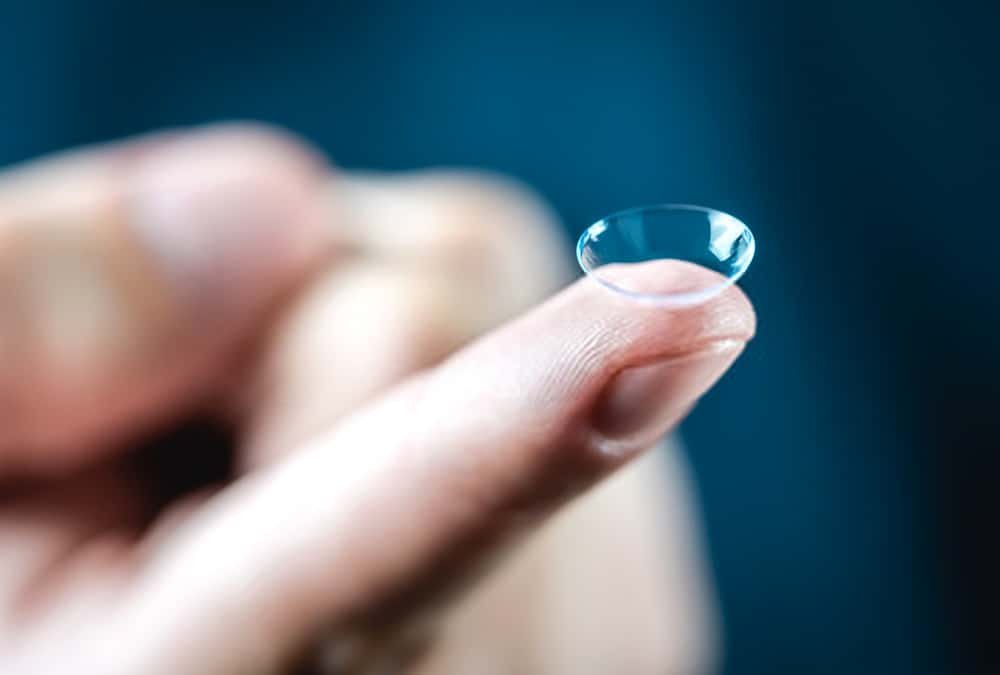
Nearsightedness, or myopia, is a refractive error that makes distant objects look blurry. Millions of people around the globe are impacted by this widespread illness. Optometrists can identify myopia and recommend corrective eyewear, such as glasses or contact lenses, to assist with vision.
Hyperopia
Farsightedness, hyperopia, is a refractive error that makes close objects look blurry. Optometrists can identify hyperopia and recommend corrective eyewear to assist with vision.
Astigmatism
A refractive mistake called astigmatism results in blurry vision at all distances. It happens when the eye’s cornea or lens has an irregular structure. Optometrists can identify astigmatism and recommend corrective eyewear or contact lenses to enhance eyesight.
Cataracts
Millions of people all over the globe, particularly older adults, are afflicted by the common eye condition known as cataracts. It happens when the eye’s natural lens becomes cloudy, impairing eyesight. Optometrists can diagnose cataracts and then refer patients for surgery to remove the cloudy lens and replace it with an artificial one.
Glaucoma
A collection of eye conditions known as glaucoma harm the optic nerve, which impairs vision and causes blindness. Because it can cause irreversible vision loss without showing symptoms until the illness is advanced, it is frequently called the “silent thief of sight.” To stop further vision loss, optometrists can diagnose glaucoma and recommend patients for treatment.
Age-Related degeneration of the macula (AMD)
Among older adults, AMD is a prevalent eye condition that can cause vision loss. It happens when the macula, the area of the eye in charge of central vision, ages and becomes less effective. Optometrists can identify AMD and then recommend patients for care to slow or stop further vision loss.
Conclusion
World Optometry Day is a significant occasion to acknowledge and celebrate the essential part that optometrists play in advancing eye health and vision treatment across the globe. Optometrists are leading eye care specialists with the education and training to conduct thorough eye examinations, identify and treat eye and vision conditions, and recommend corrective lenses and medications. Optometrists can help identify and treat various vision problems and eye diseases. Regular eye exams are crucial for keeping good eye health and preventing vision problems.
FAQs
-
1. What is optometry?
In the field of medicine known as optometry, vision issues and eye illnesses are examined, diagnosed, and treated. Primary eye care providers like optometrists are essential to promoting and maintaining excellent eye health.
-
2. What does an optometrist do?
An optometrist performs thorough eye examinations, recognizes and treats eye and vision conditions, and recommends corrective lenses and medications. Also, they look for signs of health problems like diabetes and high blood pressure that could affect the eyes.
-
3. When should I see an optometrist?
At least every two years, or more frequently, if you utilize contact lenses, have certain medical conditions, or have a family history of eye disease, you should visit an optometrist for a thorough eye exam. Additionally, if your vision alters in any way—such as blurriness, double vision, or trouble seeing at night—you should consult an optometrist.
-
4. What should I expect during an eye exam?
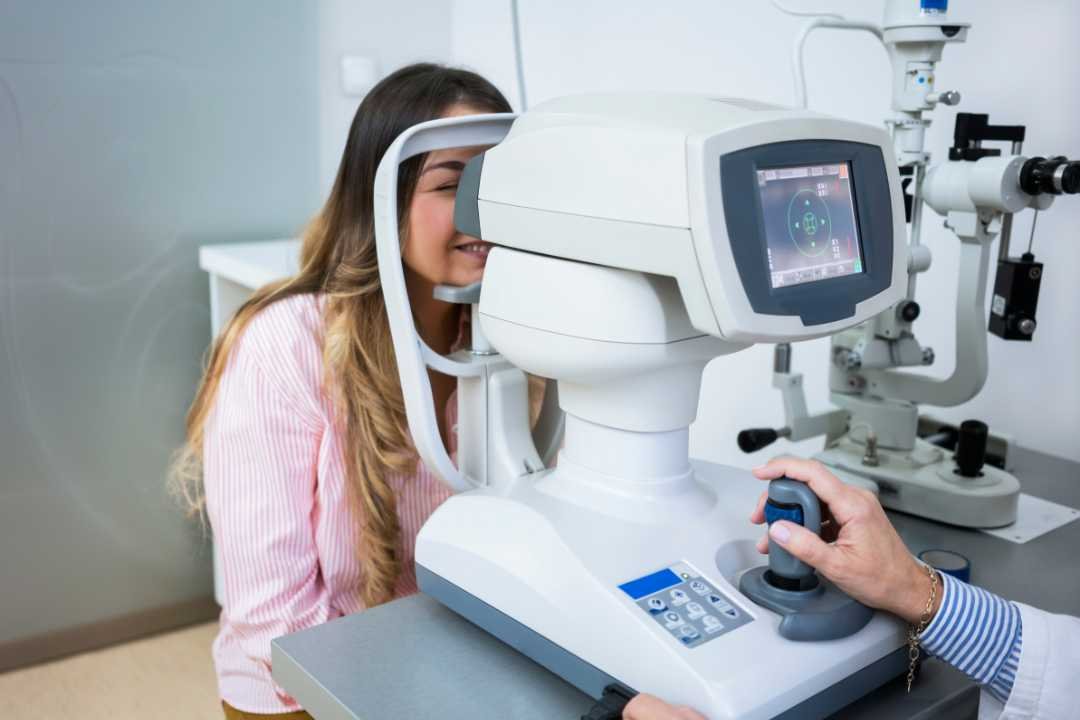
An optometrist will inquire about your medical history, conduct several tests to assess your vision and eye health, and then review the findings to determine whether you require corrective eyewear or treatment for any eye diseases.
-
5. What are some common vision problems and eye diseases?
Some common vision problems and eye diseases include myopia (nearsightedness), hyperopia (farsightedness), astigmatism, cataracts, glaucoma, and age-related macular degeneration. (AMD).
-
6. How can I protect my eye health?
Regular eye exams, a diet high in fruits and veggies, donning sunglasses to shield your eyes from UV rays, and refraining from smoking and excessive alcohol use are all ways to maintain good eye health.
-
7. Can optometrists prescribe medications?
Yes, optometrists are authorized to give specific drugs for diseases of the eyes, like infections, allergies, and glaucoma. However, they cannot provide medications for illnesses that are not eye-related.